Turning around troubled lives and reducing youth violence are among society's more daunting tasks. The conditions under which a child is raised, including deprivation and abuse, have a powerful influence on personality and disposition. But life is less about what is done to us than what we do with it. Most people raised in deplorable social conditions do not become deplorable people.
In the United States, 16 million adolescents — including 70% to 95% of children in our inner cities — have witnessed some form of violent assault, including robbery, stabbing, shooting, murder or domestic abuse.Its a brutal enough reality, which the entertainment culture exploits: American children see 8,000 murders and 100,000 acts of violence on TV and in the movies before they even matriculate from elementary school.
Even with violent crime falling, according to FBI statistics, its no surprise that it is soaring among impressionable young people. Its also no surprise (however ironic) that respect is so often used as the justification for violence. As a high schooler explained after murdering a disrespectful classmate: If somebody was talking s--- to you, you would do the same thing.
The way out of this mess is the same as the way in. Focus on respect. Insecure people are consumed with a need to receive respect, secure ones on the joy of giving it. And kids can learn that respect doesnt have to mean admiration.
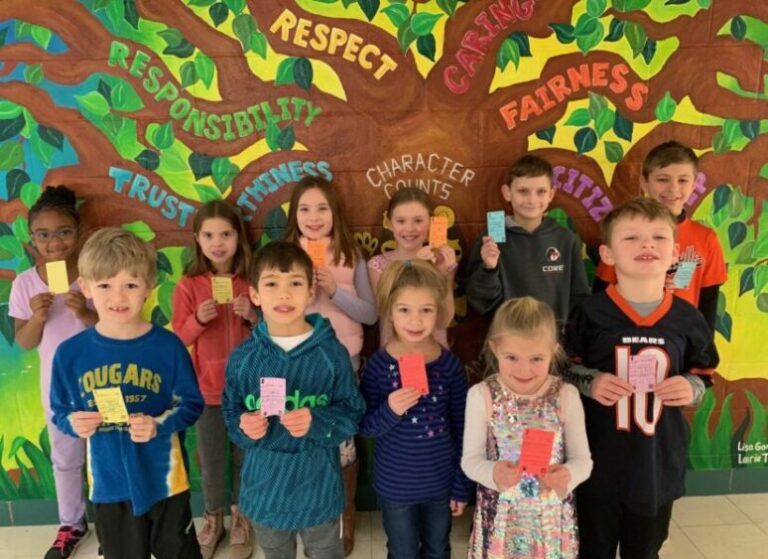
A gang member at a special school in Visalia, California, stopped a drive-by shooting because he had been taught in a CHARACTER COUNTS! program to consider the consequences of his actions for instance, for his would-be victims family. He demonstrated a respect for human life and suffering and a respect for a principled decision-making process that has come to influence his character and the way he sees himself. He pulled back from violence because of the way he wanted to see himself, not because he suddenly loved his enemy. This isnt always going to work with every kid in every setting, but it can, and does, work sometimes.